Alphabetic Migration
It is fairly commonly known that various regions of the United States, and indeed the world, sport distinct dialects varying in sound, metre, and cadence from region to region. Some, if not all, of these dialects seem to omit letters in the spoken word which otherwise appear in the written form of the same word. Still others seem to add sounds in the spoken word which do not appear in the written form. The question, then, is "what happens to the missing letters and from where are the additional ones obtained?" This apparent alphabetic migration could well prove a subject in need of study.
For example, in the northeastern United States it is not uncommon to hear the absence of the letter 'R'. One does not hear 'PARK THE CAR', one hears 'PAK THE CA'. The question then is, what happened to the missing R's. Turns out they show up in northern Texas and parts of Oklahoma where children are not told to 'WASH' their hands before supper, but to 'WARSH' them. Furthermore, vowels appear to migrate almost at will. In Utah for example, 'HEART' is frequently heard as 'HORT' an 'O' having been substituted for the more common 'EA'. Perhaps the 'O' came from the southern part of the US where 'YOU' is often heard as 'YALL', the 'A' substituting for 'OU'. The destination of the 'E' from 'HEART' and the 'U' from 'YOU', as well as the source of the 'LL' in 'YALL' is still a puzzle and therefore, a matter worthy of further study.
There are even international possibilities here. By way of illustration, 'U' gets short shrift in Arabic which seems to omit it altogether, even after q, 'QATAR' and 'QORAN' for example. In addition, Hungary and the Czech Republic along with much of eastern Europe also exhibit an alarming shortage of vowels, many words of six or more letters utilizing only one. One need only look to Finland however, to see that not only do Finns have an oversupply of vowels, but probably enough to supply the entire European continent. Many Finnish words, particularly names, use double vowels in a rather selfish fashion. TEEMU and JAARI are but two glaring examples of such intemperate overuse of vowels.
Additional vowels could also be had from Japan and Hawaii whose words seem uncommonly balanced in their use of consonants and vowels, SAYONARA or ALOHA for example. That seems patently unfair. Given a roughly four to one ratio of consonants to vowels in most alphabets, to maintain a one to one ratio in one's language would appear to exceed the bounds of necessity. It is easy to see the potential for a considerable grant from the United Nations since that body claims to desire and work to obtain fairness for all people.
Filed under Curiosities by
Nuda Veritas
Wednesday, October 05, 2005


Thursday, September 29, 2005
Tuesday, September 27, 2005
Treasure (No Man Is A) Island

It was reported this week that Bill Gates has carried the title of “Richest American” for the 11th consecutive year. Only the Atlanta Braves, now about to win their 14th straight Division title have a longer streak of being “#1”. I’m cheering a lot more for the Braves than for Bill.
And this isn’t due to his being rich, and my being comparatively poor. I can’t even afford sour grapes. I enjoy writing at a keyboard, posting to a blog, neither of which would have been possible if Bill hadn’t been successful in monopolizing and standardizing the computer industry. I benefit, we all benefit from his success, so this isn’t a screed against Bill.
I am richer than Bill Gates. I hope that I am laying up Treasure in Heaven-God judges what my account balance is up there-and that my ERA (Eternal Retirement Account) is well stocked and flourishing. I am richer than Bill Gates because all of his wealth is fleeting, temporary, tied to this world. I have no idea whether Bill is a Christian-if so, then he would agree with me that his true treasure is in Heaven, and this that we play with here is ‘Monopoly Money’ (Am I once again too hip for the room?)
Let me restate this: If Bill Gates trusts to his money and worldly treasure to protect him, keep him secure and happy, THEN I am richer than Bill Gates. If he trusts in God, then we are tied.
Let me share about my Uncle Ralph. Uncle Ralph, as we used to call him, owned the company that I worked for in Las Vegas for 6 and 1/2 years. We called him Uncle Ralph as everyone would love to have a rich uncle, who might, you know, give us a fortune someday, because we are family.
Uncle Ralph had money. He started out poor, built up a construction company, moved to Las Vegas and started buying little chunks of land all over the valley. When someone wanted to build a casino or hotel, they would find that the little corner lot smack dab in the middle of their planned location was owned by Ralph, and they would have to pay his price. With which he bought more little parcels of land, and then a hotel, another hotel/casino, and eventually he was rich.
Uncle Ralph became so rich through his real estate and business savvy that eventually he had more stuff than Solomon. And that’s the thing-he collected stuff, material wealth, millions upon millions of dollars worth of stuff. He built entire warehouse complexes near the airport to house part of his stuff. Airplanes, cars, military equipment, as he was a big WWII fan-anything you can think of as a symbol of wealth, he had entire rooms of. At his main hotel, the Imperial Palace (nice name?) he had an automobile museum to showcase part of his auto collection, which included a side room of over 30 Dusenbergs.
Ralph was rich. Ralph is now dead, and all of the accumulated wealth of his lifetime is now in the hands of others. I don’t know if Ralph ever accepted Christ, but if he did, I’ll see him in Heaven. Maybe we’ll share a laugh about what we used to think treasure was. In this life, if we saw him, we were to acknowledge his presence, but not speak to him or ask him anything-I would have been fired on the spot for being so presumptuous. He actually wanted to fire me once, for making a mistake, but my manager, a tough old bird named Ray, saved me. I always liked Ray, and he is one of the few who could stand up to Ralph and still keep his job.
Bill Gates and Uncle Ralph are/were rich. I am rich, the adopted son of our Father in Heaven. I will come into my inheritance when I am in the Presence of God, where it is of eternal lasting value. Praise God!
Sunday, September 25, 2005
Going Home
The train rolled slowly into the station and came to a stop in a cloud of hissing steam with a loud screech and a tired groan. The little boy looked out the window wondering if he would get home at all. It was now dark and earlier in the day the conductor had told him that his ticket was only good to this stop and he would have to change to a different train for the remainder of the journey. But the little boy knew better, he had read the ticket carefully and knew that it guaranteed him passage on this train all the way home. He got up, picked up his bag and headed for the front end of the car. Just as he got to the exit door he spotted the conductor in the car ahead so he quickly ducked into the restroom.
It was filled with men, all smoking because it was the only place on the train where that was permitted. There were perhaps twenty or twenty-five persons there and with a thick layer of smoke hovering just a few feet above the floor, it seemed like a good place to hide. He pushed his way past the men until he came to the far corner of the room. There he sat down on the floor to wait for the train to start. Suddenly, the door opened and a voice called out, "Tickets, I need to see your tickets". The boy crouched lower as the conductor made his way through the thick crowd and equally thick smoke. In fact, it was so smoky he could barely see the shoulders of the man behind whom he was hiding and he prayed it would be equally difficult for the conductor to see him.
Just as suddenly as he had announced his presence, the conductor began to cough. The smoke seemed to be bothering him. He checked only a few more tickets and decided he had had enough. He turned around and left the room just as the train jerked into motion. After a few minutes they were steaming down the track, clackety-clack, clackety-clack. The boy went back to his seat, knowing that even if the conductor returned, he wouldn't stop the train just to put him off. He heaved a sigh of relief as he reclined in the seat and fell asleep dreaming of home. He was going home after all.
That was the summer of 1947, I am that boy and I did get home early the next morning. I ran off the train into the arms of my parents and told them the whole story. They were so proud of me that they scheduled a family get-together for the following Saturday where I got to tell everybody of my great adventures of six weeks on my uncle's farm and the exciting train ride home. This song always calls forth that memory.
Going Home (link)
Many times in my childhood we'd travel so far,
By nightfall how tired I'd grown.
Father's arms would slip around me and he'd gently say
My child, we are going home.
Going home, I'm going home.
There is nothing that can hold me here.
Well, I've caught a glimpse of that heavenly land.
Praise God! I am going home.
Now the twilight is fading, the day soon shall end.
I get homesick the farther I roam,
But the father has led me each step of the way
And now he'll lead me home.
Going home, I'm going home.
There is nothing that can hold me here.
You see, I've caught a glimpse of that heavenly land.
Praise God! I am going home.
Unbelievers are likely to read those words and shake their heads in disbelief as they think or say, "you people must hate life since all you do is look forward to dying". In some respects they have a point which we, as Christians, should consider not because they may be right, but because we may be wrong. They are not right of course, their mockery is the result of their rejection of God. But if we reject the world and only look forward in anticipation of "that heavenly land" are we not falling into an error of our own.
Matthew, Mark, and Luke all suggest that this world is not our home when they question the value of gathering worldly pleasures at the expense of spiritual ones (Mt16:26, Mk8:36, Lk9:25). Nevertheless, we cannot ignore that we are in this world and if we believe that God made this world for us as we are told in chapter nine of the book of Genesis, then not enjoying it must be another form of rejecting Him.
Anyone who has ever travelled far from home for a period of time knows the sense of anticipation of returning home. There is an excitement in the preparation, edged perhaps with a little sadness that the sojourn is ended. As we approach nearer to home the familiarity of surroundings impacts our senses and a kind of comfort takes over. And then arriving home...relief. Life offers few comforts greater than sleeping in one's own bed. We don't forget nor do we diminish our enjoyment of the journey, the experiences we had, the people we met, and the pleasure they offered. But at some point we begin looking forward to returning home and the joys of the trip begin to give way to the anticipation of coming home. So it is with a Christian understanding of earth and heaven.
Given that we are transients, even trespassers in a sense, in this world it is not surprising that some find comfort in the knowledge that another home awaits them. A home that we have not earned and do not deserve. A home that is provided solely through the grace of a loving parent. The Bible speaks of this home again and again and holds out God's promise to man. One of the two thieves crucified with Jesus asked to be remembered in the Kingdom and Jesus said to the thief, "today you will be with me in Paradise" and that promise holds true for all who believe. The thief had glimpsed the truth and was taken home.
We are all riding on a train called life. It has many detours and many stops and it has but one destination. The only question is will you be on it when it gets there. Will you be like the little boy who enjoyed the ride, but hid from the danger in order to 'get home' or will you be lured into disembarking? Will you be able to say as the song says, "I've caught a glimpse of that heavenly land -- praise God! I am going home."?
Nuda Veritas
It was filled with men, all smoking because it was the only place on the train where that was permitted. There were perhaps twenty or twenty-five persons there and with a thick layer of smoke hovering just a few feet above the floor, it seemed like a good place to hide. He pushed his way past the men until he came to the far corner of the room. There he sat down on the floor to wait for the train to start. Suddenly, the door opened and a voice called out, "Tickets, I need to see your tickets". The boy crouched lower as the conductor made his way through the thick crowd and equally thick smoke. In fact, it was so smoky he could barely see the shoulders of the man behind whom he was hiding and he prayed it would be equally difficult for the conductor to see him.
Just as suddenly as he had announced his presence, the conductor began to cough. The smoke seemed to be bothering him. He checked only a few more tickets and decided he had had enough. He turned around and left the room just as the train jerked into motion. After a few minutes they were steaming down the track, clackety-clack, clackety-clack. The boy went back to his seat, knowing that even if the conductor returned, he wouldn't stop the train just to put him off. He heaved a sigh of relief as he reclined in the seat and fell asleep dreaming of home. He was going home after all.
That was the summer of 1947, I am that boy and I did get home early the next morning. I ran off the train into the arms of my parents and told them the whole story. They were so proud of me that they scheduled a family get-together for the following Saturday where I got to tell everybody of my great adventures of six weeks on my uncle's farm and the exciting train ride home. This song always calls forth that memory.
Going Home (link)
Many times in my childhood we'd travel so far,
By nightfall how tired I'd grown.
Father's arms would slip around me and he'd gently say
My child, we are going home.
Going home, I'm going home.
There is nothing that can hold me here.
Well, I've caught a glimpse of that heavenly land.
Praise God! I am going home.
Now the twilight is fading, the day soon shall end.
I get homesick the farther I roam,
But the father has led me each step of the way
And now he'll lead me home.
Going home, I'm going home.
There is nothing that can hold me here.
You see, I've caught a glimpse of that heavenly land.
Praise God! I am going home.
Unbelievers are likely to read those words and shake their heads in disbelief as they think or say, "you people must hate life since all you do is look forward to dying". In some respects they have a point which we, as Christians, should consider not because they may be right, but because we may be wrong. They are not right of course, their mockery is the result of their rejection of God. But if we reject the world and only look forward in anticipation of "that heavenly land" are we not falling into an error of our own.
Matthew, Mark, and Luke all suggest that this world is not our home when they question the value of gathering worldly pleasures at the expense of spiritual ones (Mt16:26, Mk8:36, Lk9:25). Nevertheless, we cannot ignore that we are in this world and if we believe that God made this world for us as we are told in chapter nine of the book of Genesis, then not enjoying it must be another form of rejecting Him.
Anyone who has ever travelled far from home for a period of time knows the sense of anticipation of returning home. There is an excitement in the preparation, edged perhaps with a little sadness that the sojourn is ended. As we approach nearer to home the familiarity of surroundings impacts our senses and a kind of comfort takes over. And then arriving home...relief. Life offers few comforts greater than sleeping in one's own bed. We don't forget nor do we diminish our enjoyment of the journey, the experiences we had, the people we met, and the pleasure they offered. But at some point we begin looking forward to returning home and the joys of the trip begin to give way to the anticipation of coming home. So it is with a Christian understanding of earth and heaven.
Given that we are transients, even trespassers in a sense, in this world it is not surprising that some find comfort in the knowledge that another home awaits them. A home that we have not earned and do not deserve. A home that is provided solely through the grace of a loving parent. The Bible speaks of this home again and again and holds out God's promise to man. One of the two thieves crucified with Jesus asked to be remembered in the Kingdom and Jesus said to the thief, "today you will be with me in Paradise" and that promise holds true for all who believe. The thief had glimpsed the truth and was taken home.
We are all riding on a train called life. It has many detours and many stops and it has but one destination. The only question is will you be on it when it gets there. Will you be like the little boy who enjoyed the ride, but hid from the danger in order to 'get home' or will you be lured into disembarking? Will you be able to say as the song says, "I've caught a glimpse of that heavenly land -- praise God! I am going home."?
Nuda Veritas
Sunday Fun
 Your Age by Chocolate Math
1. Pick the number of times a week that you would like to have chocolate (more than once but less than 10)
2. Multiply this number by 2
3. Add 5
4. Multiply it by 50
5. If you have already had your birthday this year add 1755....If you haven't, add 1754
6. Now subtract the four digit year that you were born
7. You should have a three digit number
The first digit of this was your original number (i.e., how many times you want to have chocolate each week). The next two numbers are YOUR AGE!
THIS IS THE ONLY YEAR (2005) THIS WILL WORK, SO SPREAD IT AROUND LIKE HOT CHOCOLATE FUDGE ON A SCRUMPTIOUS BANANA SPLIT.
This is one of those math things that is probably so simple if you know the trick. But I don't so it seems quite genius! (And math kind of makes my head hurt.) I also stole this from another blog, which I wanted to acknowledge, but I couldn't find it again when I back-arrowed.
God bless your Sunday! Sees, here I come. Rats! I don't think they're open on Sundays!
le
Thursday, September 22, 2005
His Everlasting Arm
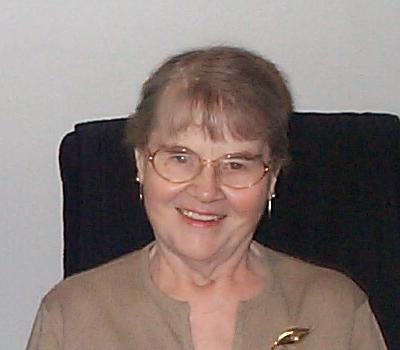 Health scares are the worst. My family went through this anxiety a couple of weeks ago. My mom’s doctor thought a spot on her lung was lung cancer and we all waited to hear the results of a biopsy for what seemed an interminably torturous length of time. Five hours felt like five weeks. It turned out the spot was not cancerous, but my mom does have pneumonia and her recovery from the surgery (they had to make the incision through her back for the biopsy) and the pneumonia has been impeded by medicines she takes for rheumatoid arthritis. She is still suffering quite a bit of discomfort even after these many days.
As I was falling asleep last night I had the silly thought that we’ve all had sometime or other in our lives--that was that I wished God would just give the pain to me so my mom could stop suffering. It is so hard to know that someone we love is suffering.
The thing that non-believers find so impossible to understand, human suffering allowed by a loving God, has invaded my little world for what I hope for my mom’s sake is a brief time. We have a God who is not always safe, but He is always good, as Aslan was described by Mr. Beaver in The Lion, the Witch and The Wardrobe by C.S. Lewis, and this dichotomy is also found beautifully represented in Psalm 85.10. “Mercy and truth are met together; Righteousness and peace have kissed each other.” KJV
Sometimes pain and suffering might be the result of our own sinful choices and sometimes God may decide to let the sand under our feet shift a bit to remind us that we need to be leaning on His everlasting arm. Whatever His reason for allowing the suffering, we can know it is never for evil, but always to draw us near, because He is good.
The funniest thing happened through all of this. My sister who is an atheist decided to pray along with the rest of the family for my mom’s recovery.
I think I’ll go call my mom now.
le
Monday, September 19, 2005
Other wits, other wise
This is just a short post with two links that I would like everyone to look at. At our friend Michael's site there was a visitor recently, a very pleasant lady named Lachen. I checked her site, and was impressed by her warmness,intelligence and...dare I say it? Wit. She has one post in particular that I found very wise and heartouching-"Prayer" a poem prayer found on the wall of Mother Teresa's home. As it is based on a prayer by a man named Dr. Kent M. Keith-some of you are nodding your heads-I felt that I should link to his site as well, so that both the Mother Teresa version and the original can be read. I am respective of copywrite, so I would not post them here, but please, if you want to be blessed, visit both Lachen and Dr. Keith. Lachen's post, "Prayer" is about 2/3rds down the page.
Lachen: http://1starfish.blogspot.com/
Dr. Keith: http://www.paradoxicalcommandments.com/
Lachen: http://1starfish.blogspot.com/
Dr. Keith: http://www.paradoxicalcommandments.com/
Saturday, September 17, 2005
Ah Youth Long Past
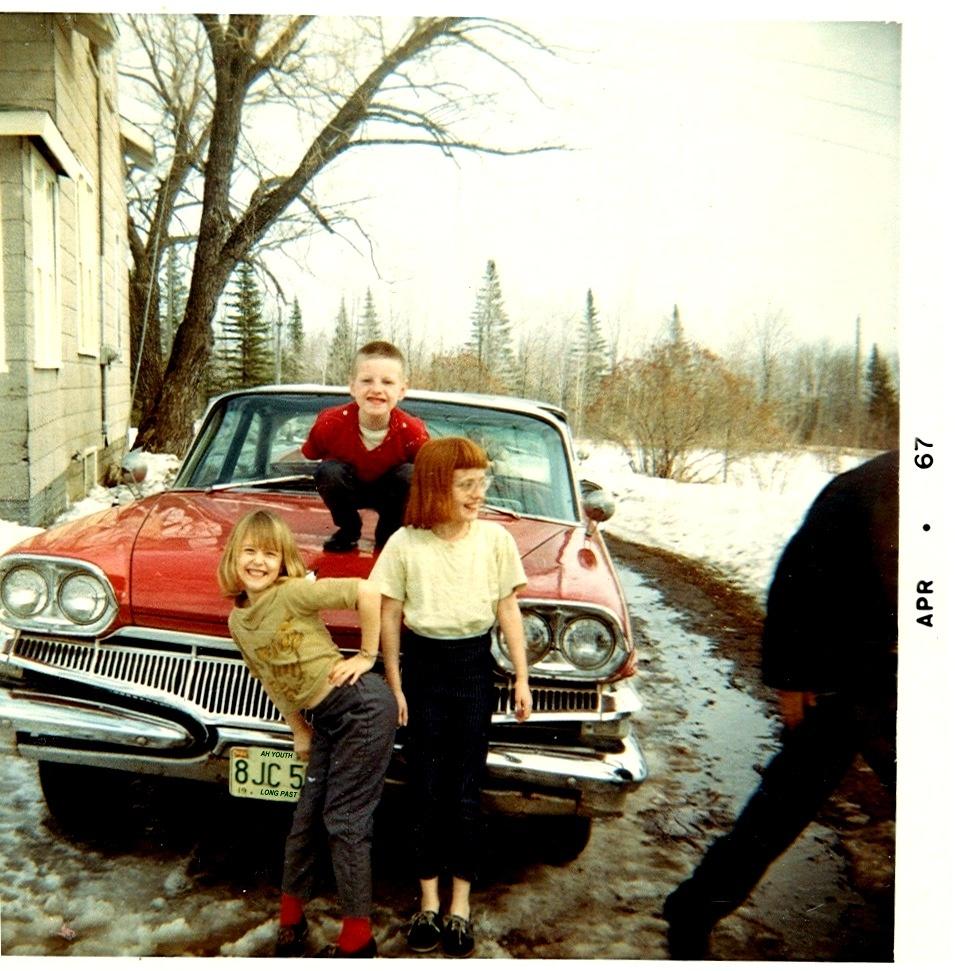
I was once a hood ornament. Posing for a picture on a fine day, a Winter day I can hardly remember, except for this photograph. I am that young boy, but the boy is not yet me. We live, for now, analog lives. A friend recently lent me a movie, “The Butterfly Effect”, in which a man was somehow able to go back and change events in his life, trying to bring about happy results by avoiding tragic circumstance. It didn’t work-every change made things worse for either himself or his friends. This was a little bit like trying to play God.
I wouldn’t do it. When I look at this picture I know the problems, pains, joys and triumphs that hood ornament boy will face-and I wouldn’t change a thing. My life has been average-no horrific traumatic events, no great heroic ones, either. I have lived simply, as a child of God. In His Word He tells us that He ordains our steps, and illuminates our path. Non-Christians call it a cop-out when we say that God, Jesus Christ is Lord, directing our steps, leading us during our time here on Earth. They suggest that we are weak, not self sufficient, believing fantastical myths, deranged. This seems very strange to me.
When I was that hood ornament, my parents took care of all of my needs, led me, taught me, protected me from danger and raised me as best they could. No-one would have dared come up to me and suggest that I was deranged, weak, not self sufficient because I accepted them as my parents, obeyed their rules, lived under their authority.
I am a child of God. He takes care of me just as my earthly parents have, and I am as content, as worry-free as that young boy I used to be. I don’t Hope that things will be okay, I Know that they will, whatever the circumstance. Because He loves me. He loves you, too.
Friday, September 16, 2005
Pray, please

Today is a National Day of Prayer and Remembrance. Please spend some time in prayer for those who have lost loved ones and who suffer because of the loss of homes and jobs in the South.
The President said on 08 September 2005:
"Throughout our history in times of testing, Americans have come together in prayer to heal and ask for strength for the tasks ahead. So I've declared Friday, September the 16th, as a National Day of Prayer and Remembrance. I ask that we pray -- as Americans have always prayed in times of trial -- with confidence in His purpose, with hope for a brighter future, and with the humility to ask God to keep us strong so that we can better serve our brothers and sisters in need."le
Wednesday, September 14, 2005
Lions Led by Donkeys
I’ve lived through two very large national disasters now, something I couldn’t even have imagined ten years ago. Like the great majority of Americans, neither one has affected me personally or directly. I mean, I don’t live differently than before these two disasters. I didn’t lose anyone I loved. I didn’t lose anything I had worked hard for. I’ve changed in ways imperceptible to my family and friends, perhaps, known only to me. But I do think differently of America.
Following 9/11, the country in general, for the first several months, at least, hurriedly rallied to shore up the victims, and set aside political differences to face the common enemy. We set up the bucket brigade. The temperament of an old-fashioned barn-raising infused our speech and writing, television and newspaper alike. We recognized that it was best to be on the side of our good countrymen and neighbors. The benefits of pulling together were evident. Eventually the tide of political pandering and posturing came in once again, but not before we all had a nice dose of, dare I say, patriotism.
Then came Katrina and everything was different this time. It was less than a week after the hurricane that nearly every political foe of the President had decided that he had caused the disaster, and was responsible for every terrible thing that occurred during and following. State officials blamed federal officials, city officials blamed state officials, police blamed the city…and on. There were virtuous people who ignored the political sport and unselfishly gave for relief efforts. Certainly there were heroic acts by thousands in the eye of the storm. But the media could not get enough of the spirit of division, and we rapidly revealed to the rest of the world the dark underbelly of U.S. political gamesmanship to the great detriment of our citizenry and the victims of this event.
I’ve read some thoughts as to why the national and media reaction to Katrina has been so different from that of 9/11. The Twin Towers represent the rich and the victims of the flood in New Orleans were poor. President Bush was barely into his presidency then and now he’s been elected twice and should have been able to do a better job with this disaster. This disaster was forecast and 9/11, other than some blips on a radar screen, was unforeseen, so less was expected from public officials. But I see a bigger difference between these two events.
When 9/11 hit, we were all scared. Nobody saw it coming and nobody could know whether it would keep coming. The left was compelled to capitulate to the President as their leader, not because they wanted him as a leader, but because they were frightened, and when we’re frightened, we look for that leader to hold our hand and tell us we’ll be better. With Katrina, those outside the eye of the hurricane were not frightened. We knew that a hurricane wasn’t headed for Boise, Idaho or Nashville, Tennessee. I believe the biggest difference in our reaction to these two events has been the fear factor. Fear tamed the political beast for a time after 9/11. This time, the lions were roaring before the rain stopped falling--lions led by donkeys.
I think this time the real political left in America stood up all too quickly. And it’s sad for the victims of this natural disaster. It’s far easier to pull down than to build up. And it's going to take a lot of building up.
le
Following 9/11, the country in general, for the first several months, at least, hurriedly rallied to shore up the victims, and set aside political differences to face the common enemy. We set up the bucket brigade. The temperament of an old-fashioned barn-raising infused our speech and writing, television and newspaper alike. We recognized that it was best to be on the side of our good countrymen and neighbors. The benefits of pulling together were evident. Eventually the tide of political pandering and posturing came in once again, but not before we all had a nice dose of, dare I say, patriotism.
Then came Katrina and everything was different this time. It was less than a week after the hurricane that nearly every political foe of the President had decided that he had caused the disaster, and was responsible for every terrible thing that occurred during and following. State officials blamed federal officials, city officials blamed state officials, police blamed the city…and on. There were virtuous people who ignored the political sport and unselfishly gave for relief efforts. Certainly there were heroic acts by thousands in the eye of the storm. But the media could not get enough of the spirit of division, and we rapidly revealed to the rest of the world the dark underbelly of U.S. political gamesmanship to the great detriment of our citizenry and the victims of this event.
I’ve read some thoughts as to why the national and media reaction to Katrina has been so different from that of 9/11. The Twin Towers represent the rich and the victims of the flood in New Orleans were poor. President Bush was barely into his presidency then and now he’s been elected twice and should have been able to do a better job with this disaster. This disaster was forecast and 9/11, other than some blips on a radar screen, was unforeseen, so less was expected from public officials. But I see a bigger difference between these two events.
When 9/11 hit, we were all scared. Nobody saw it coming and nobody could know whether it would keep coming. The left was compelled to capitulate to the President as their leader, not because they wanted him as a leader, but because they were frightened, and when we’re frightened, we look for that leader to hold our hand and tell us we’ll be better. With Katrina, those outside the eye of the hurricane were not frightened. We knew that a hurricane wasn’t headed for Boise, Idaho or Nashville, Tennessee. I believe the biggest difference in our reaction to these two events has been the fear factor. Fear tamed the political beast for a time after 9/11. This time, the lions were roaring before the rain stopped falling--lions led by donkeys.
I think this time the real political left in America stood up all too quickly. And it’s sad for the victims of this natural disaster. It’s far easier to pull down than to build up. And it's going to take a lot of building up.
le
Tuesday, September 13, 2005
Hope to Save Your Life

Hope Hope Hope
“There will never be any peace
Until God is seated
At the conference table. x2
Everybody has a plan-
Made by just a man-
People, can’t you understand
Try to tell them
There will never be any peace
Until God is seated
At the conference table.”
This is one of my favorite Gospel songs, recorded by the Chi-lites back in the mid 70’s. It seems very contemporary, and is still true. No matter how many well intentioned leaders meet to win promises from ill intentioned leaders, no matter how many road maps are implemented, man is unable to solve the problem of man: Sin.
Sin is the dark cloud hanging over the hearts over the populations of the world killing each other over land which belongs to our Creator. Sin is the stain on the hearts of every man who finds a reason to hate his neighbor. Sin keeps the jails full, and the bars, and those living in a culture of sin are so inured to it’s effects that they are roused to anger when someone points to the sin and calls it evil.
The picture above is sin. The sin of men trying to create peace without the source of Peace, God Himself. All human works are doomed to fail, when man tries to supplant God’s Rule and rule in His place. Satan tried that and got booted out of Heaven.
Do you want Peace? An end to war and suffering? Turn to God, and you will find that He can place inside you the only lasting and true Peace: between you and Himself.
Sunday, September 11, 2005
Balconies
"[It is] testimony to the degeneration of human personality under stresses that had hardened others into nobility."
Bernard DeVoto
New Orleans was a city of balconies. In some respects it still is, at least in the French Quarter. Those balconies have borne wealthy aristocrats, military heroes, bumbling bureaucrats, gamblers, cops on the case, cops on the take, madams touting their charges, prostitutes giving a revealing glimpse of the pleasures to be found inside, and college girls revealing more than any self-respecting prostitute ever would. They have overlooked the slow-marching funerals of the proud and the profane, the young and the old, the famous and the infamous, high brow and low brow fools and intellectuals of every stripe parading down Bourbon Street, with or without music. In some respects, they have come to symbolize New Orleans, but on August 30, 2005 the day after Hurricane Katrina struck the city, they came to symbolize something other than simply the gaudy and tawdry party atmosphere. They came to symbolize something darker and more sinister.
There was looting and stealing, there was mugging and raping, there was fighting and murder, there was lawlessness, chaos, and disorder. For a time it seemed that all decency had left the city and all that remained was ugliness and filth. Rescuers were rebuked, reviled, and attacked until many, having lost their own homes and perhaps loved ones, simply went away, abandoning the city to its own self destruction. At long last the national guard came and block by block restored order. The battle won, the city was once again quiet, but the war was not yet over. There were other battles against the anger, the impatience, the selfishness, the recriminations. It was clear that there was a long way yet to go before the balconies of New Orleans would once again reign over happy faces and dancing feet.
But New Orleans is not the only city of balconies. Nearly every apartment in Copenhagen comes with a balcony.
The winter of 1944 was particularly cold in Copenhagen. This was the winter of the Battle of the Bulge in Belgium and northern France although it had not yet begun. The bitter cold surrounding that momentous battle had been moving southward through Denmark for weeks. Yet standing on the balcony of our third story apartment that December evening I remember people cheering, applauding, and hearing shouts of "Victory" from not only our balcony, but every balcony of the large complex in which we lived. Overhead in the relatively clear night sky we could see large flights of British Lancaster bombers returning to Britain from their raids into northern Germany. They were high above, but not so high that we couldn't hear the roar of the four powerful Rolls Royce engines that propelled each airplane. It was like an angry growl directed at the hated enemy. The cheering was probably not directed at the fliers, they wouldn't have heard it in any case, it was a release of pentup fear and tension after nearly five years of German occupation.
They had come on April 9, 1940 and little Denmark with a population of some four million had capitulated. The Germans said they were going to protect the Danes against a British invasion. The Danes knew better. To the eternal shame of Danes everywhere, the government cooperated with the Nazis until mid-1943 and the Danish police became agents of the occupiers. They were feared and hated more than was the Gestapo. Thousands of Danes became saboteurs, these days we would call them insurgents, sabotage having fallen from grace as a noble calling. They, my uncle among them, risked their lives to cripple the German war machine and helped to shorten the war.
The Germans had forced the Danish central bank to pay for all the goods they 'purchased' to supply their armies and gave the bank IOU's in exchange. It was all legal and above board except that they simply took what they wanted, the Danish bank paid the bill and the Germans dropped an IOU into the till. In effect, they stole Denmark's labor and products in order to finance their conquests. At least they paid Denmark, the eastern conquests had been less fortunate. The final straw was when they demanded that all Jews be identified and listed for deportation. Danes everywhere mobilized and with only fishing boats and other small craft ferried over 7,000 Jews to safety in Sweden, dodging German patrol vessels during the crossing. These were common working people, fishermen, farmers, green grocers, dairymen, factory workers, the kind who work hard, come home dirty, care for their families, ask for nothing, and risk everything to save the life of a stranger.
My uncle, a strapping six foot two, 215 pounds man, was captured in August 1942 and sent to Theresienstadt prison in Germany. Three years later, at war's end he returned to Copenhagen, having left some 125 pounds and his sanity in Germany. His body died in the fifties in an asylum in northern Sjælland, the island on which Copenhagen sits. His spirit had died long before.
Barely six months before this exciting December night, my father had tuned in BBC, keeping the volume low, to hear something other than German propaganda and Wagner. In the middle of Eroica the announcer interrupted the music to announce the landings at Normandy. The long awaited western front had finally opened. The war would be over before Christmas, everyone said. That was two weeks away and the Germans didn't appear to be packing to leave anytime soon. They still walked the streets at night in pairs, each with a rifle slung over his shoulder and a Doberman on a leash leading the way. I didn't mind the soldiers much, I wanted to see their rifles, but I didn't like the dogs.
So for six months all of Denmark had held its collective breath anticipating the departure of the Germans and you could cut the tension with a knife. Not yet six, even I could feel it. It seemed as though the rescuers had at long last come. That's why we cheered from our balconies that cold December night. That's why we cheered airplanes we could barely see and hear. That's why we cheered those unseen fliers and the freedom they represented. That's why freedom loving people everywhere still cheer those who fight for that freedom.
But New Orleans did not cheer from its balconies when its freedom fighters came. It spat on them, cursed them, shot at them, and hid from them. Inevitably, the end came and it came with neither a roar nor with a whimper, but with a whine. Instead of a grateful sigh of relief and invocatons of 'thank you' New Orleans, to its everlasting shame, let loose a torrent of crying "foul" and "why me" and "where's mine" and pointed the finger of blame at everyone except itself.
Yes, some degenerate into barbarism while others are hardened into nobility. So it is and so it has always been. By the grace of God I stood on the balcony of hope and light.
Nuda Veritas
Bernard DeVoto
New Orleans was a city of balconies. In some respects it still is, at least in the French Quarter. Those balconies have borne wealthy aristocrats, military heroes, bumbling bureaucrats, gamblers, cops on the case, cops on the take, madams touting their charges, prostitutes giving a revealing glimpse of the pleasures to be found inside, and college girls revealing more than any self-respecting prostitute ever would. They have overlooked the slow-marching funerals of the proud and the profane, the young and the old, the famous and the infamous, high brow and low brow fools and intellectuals of every stripe parading down Bourbon Street, with or without music. In some respects, they have come to symbolize New Orleans, but on August 30, 2005 the day after Hurricane Katrina struck the city, they came to symbolize something other than simply the gaudy and tawdry party atmosphere. They came to symbolize something darker and more sinister.
There was looting and stealing, there was mugging and raping, there was fighting and murder, there was lawlessness, chaos, and disorder. For a time it seemed that all decency had left the city and all that remained was ugliness and filth. Rescuers were rebuked, reviled, and attacked until many, having lost their own homes and perhaps loved ones, simply went away, abandoning the city to its own self destruction. At long last the national guard came and block by block restored order. The battle won, the city was once again quiet, but the war was not yet over. There were other battles against the anger, the impatience, the selfishness, the recriminations. It was clear that there was a long way yet to go before the balconies of New Orleans would once again reign over happy faces and dancing feet.
But New Orleans is not the only city of balconies. Nearly every apartment in Copenhagen comes with a balcony.
The winter of 1944 was particularly cold in Copenhagen. This was the winter of the Battle of the Bulge in Belgium and northern France although it had not yet begun. The bitter cold surrounding that momentous battle had been moving southward through Denmark for weeks. Yet standing on the balcony of our third story apartment that December evening I remember people cheering, applauding, and hearing shouts of "Victory" from not only our balcony, but every balcony of the large complex in which we lived. Overhead in the relatively clear night sky we could see large flights of British Lancaster bombers returning to Britain from their raids into northern Germany. They were high above, but not so high that we couldn't hear the roar of the four powerful Rolls Royce engines that propelled each airplane. It was like an angry growl directed at the hated enemy. The cheering was probably not directed at the fliers, they wouldn't have heard it in any case, it was a release of pentup fear and tension after nearly five years of German occupation.
They had come on April 9, 1940 and little Denmark with a population of some four million had capitulated. The Germans said they were going to protect the Danes against a British invasion. The Danes knew better. To the eternal shame of Danes everywhere, the government cooperated with the Nazis until mid-1943 and the Danish police became agents of the occupiers. They were feared and hated more than was the Gestapo. Thousands of Danes became saboteurs, these days we would call them insurgents, sabotage having fallen from grace as a noble calling. They, my uncle among them, risked their lives to cripple the German war machine and helped to shorten the war.
The Germans had forced the Danish central bank to pay for all the goods they 'purchased' to supply their armies and gave the bank IOU's in exchange. It was all legal and above board except that they simply took what they wanted, the Danish bank paid the bill and the Germans dropped an IOU into the till. In effect, they stole Denmark's labor and products in order to finance their conquests. At least they paid Denmark, the eastern conquests had been less fortunate. The final straw was when they demanded that all Jews be identified and listed for deportation. Danes everywhere mobilized and with only fishing boats and other small craft ferried over 7,000 Jews to safety in Sweden, dodging German patrol vessels during the crossing. These were common working people, fishermen, farmers, green grocers, dairymen, factory workers, the kind who work hard, come home dirty, care for their families, ask for nothing, and risk everything to save the life of a stranger.
My uncle, a strapping six foot two, 215 pounds man, was captured in August 1942 and sent to Theresienstadt prison in Germany. Three years later, at war's end he returned to Copenhagen, having left some 125 pounds and his sanity in Germany. His body died in the fifties in an asylum in northern Sjælland, the island on which Copenhagen sits. His spirit had died long before.
Barely six months before this exciting December night, my father had tuned in BBC, keeping the volume low, to hear something other than German propaganda and Wagner. In the middle of Eroica the announcer interrupted the music to announce the landings at Normandy. The long awaited western front had finally opened. The war would be over before Christmas, everyone said. That was two weeks away and the Germans didn't appear to be packing to leave anytime soon. They still walked the streets at night in pairs, each with a rifle slung over his shoulder and a Doberman on a leash leading the way. I didn't mind the soldiers much, I wanted to see their rifles, but I didn't like the dogs.
So for six months all of Denmark had held its collective breath anticipating the departure of the Germans and you could cut the tension with a knife. Not yet six, even I could feel it. It seemed as though the rescuers had at long last come. That's why we cheered from our balconies that cold December night. That's why we cheered airplanes we could barely see and hear. That's why we cheered those unseen fliers and the freedom they represented. That's why freedom loving people everywhere still cheer those who fight for that freedom.
But New Orleans did not cheer from its balconies when its freedom fighters came. It spat on them, cursed them, shot at them, and hid from them. Inevitably, the end came and it came with neither a roar nor with a whimper, but with a whine. Instead of a grateful sigh of relief and invocatons of 'thank you' New Orleans, to its everlasting shame, let loose a torrent of crying "foul" and "why me" and "where's mine" and pointed the finger of blame at everyone except itself.
Yes, some degenerate into barbarism while others are hardened into nobility. So it is and so it has always been. By the grace of God I stood on the balcony of hope and light.
Nuda Veritas
Saturday, September 10, 2005
Birth of the Cool

Once upon a time I wasn't cool. About 1967 I became cool, though I still struggle with fashion. It was about 1967 when I first comprehended music and musician, making the connection that a singer created and sang a song: Johnny Cash, "Johnny Yuma, the Rebel"
was the song. I now have more extraneous music pinballing around in my head than a person should. But I love music, and especially jazz-"Kind of Blue" is kind of wonderful. Find it, or grab it off your own shelf and listen to it today. This may the only post from me for a day or so-my ISP is having troubles, affecting my ability to post from home. Have a great day.
Thursday, September 08, 2005
Generosity
I just made another visit over to Americans Aiding Americans and just a couple things struck me. Leona Helmsley and Walmart. Makes you think.
le
le
Subscribe to:
Posts (Atom)